
Kontakti
Uldis Grunde
Mg. sc. comp.
Pētnieks
Uldis Grunde EDI strādā kopš 1968. gada ar pārtraukumu no 1995.gada līdz 2006.gadam. 1969. g. absolvējis LU, kur ieguvis maģistra grādu fizikā. 2006. absolvējis RTU , kur ieguvis profesionālā maģistra grādu uzņēmumu un organizāciju vadīšanā. Pētījumu intereses saistās kiber-fizikālām sistēmām, bezvadu sensoru tīkliem, lietu internetu, iegultām sistēmām, ļoti maza enerģijas patēriņa risinājumiem, mākslīgā intelekta pielietojumiem.
Projekti
10 rezultāti
- Projekts Nr. 2 „Inovatīvas signālapstrādes tehnoloģijas viedu un efektīvu elektronisko sistēmu radīšanai” (IMIS) Noslēgts
- Droša elektroenerģijas padeves atslēgšana industriālām piedziņas sistēmām (R-PODID) 01.09.2023. – 31.08.2026. Noslēgts
- Uzticams darbības mūžs aprites ekonomikai (ARCHIMEDES) 01.05.2023. – 30.04.2026. Noslēgts
- Periferiālā mākslīgā intelekta tehnoloģijas optimizētai iegultās apstrādes veiktspējai (EdgeAI) 01.12.2022. – 31.12.2025. Noslēgts
- Mazcenas boluss spurekļa parametru monitoringam un agrīnai subakūtas spurekļa acidozes (SARA) diagnostikai govīm 01.09.2018. – 31.07.2022. Noslēgts
Publikācijas
- 2025
Development of Autonomous Wireless Beehive Monitoring System Solution(atveras jaunā logā)
Anatolijs Zabasta, Antons Patlins, Nadezda Kunicina, Uldis Grunde
12th IEEE Workshop on Advances in Information, Electronic and Electrical Engineering, AIEEE 2025, Institute of Electrical and Electronics Engineers Inc.
Kopsavilkums
The autonomous beekeeping solution provides the possibility to monitor the bee hives from a distance. The distance monitoring opens a floor for new business opportunities, like production of mono-floral honey, as well as more intensive manufacture of honey products. The solution is based on new generation of IoT resources, and deployment of IoT concept in agricultural sector [3; 23; 24; 25]. It is worth noting that physical survey disturbs the bees and causes them stress, which can negatively affect the productivity of the bee colony, as well as taking beekeeper time. In addition, distance does not always allow the beekeeper to react quickly to crisis situations in the apiary. The technology developed in the project allows to use distance monitoring of the beehive, which significantly facilitates the daily life of the beekeeper, allows quick decision-making in critical situations and does not reduce bee productivity, as it does not affect the daily life of the beehive.The beekeeper can observe the apiary remotely and will be able to decide to visit the apiary only if necessary. A great helper is the hive video surveillance system, which will help to monitor the flight activity of bee colonies during the day, as well as to visually assess the condition of the apiary. The new system uses alternative energy sources (solar, wind energy) for the power supply of the system, which increases the possibilities of using the system in distance monitoring on fields. © 2025 Elsevier B.V., All rights reserved.
- 2025
Enhancing Hive Monitoring and Sustainability through Video Recognition and Environmental Analysis(atveras jaunā logā)
Anatolijs Zabasta, Antons Patlins, Nadezda Kunicina, Uldis Grunde
12th IEEE Workshop on Advances in Information, Electronic and Electrical Engineering, AIEEE 2025, Institute of Electrical and Electronics Engineers Inc.
Kopsavilkums
This paper presents a video recognition-based solution for an innovative beekeeping system, which we have developed and have evaluated in a prototype. We have designed this solution to improve the monitoring and management of beekeeping operations, a critical aspect for ensuring efficiency and sustainability in modern apiculture. The proposed system enables continuous monitoring of bee colonies, providing real-time insights into environmental changes and bee behavior. In addition, the system's analytical tools can identify and analyze correlations between following factors affecting bee productivity, such as weather conditions, geographical location of the apiary, and other environmental influences.The introduction of this stand-alone beekeeping solution offers beekeepers the ability to remotely track key hive conditions. For instance, it can detect whether the temperature inside the hive is nearing critical levels, or whether the bees are facing food shortages. This timely information allows beekeepers to take swift action to prevent potential harm to the colonies, thereby improving overall colony health and productivity. Such a system must be particularly beneficial during winter, helping to preserve hibernating bee colonies, while also saving valuable time and resources typically spent on manual hive inspections.The autonomous beekeeping system aligns with the broader goals of promoting economically sustainable agriculture, supporting the conservation of agricultural and forestry resources. The introduction of advanced monitoring and control features ensures that beekeepers can maintain optimal hive conditions with minimal manual intervention. Moreover, as the project progresses, we are planning further enhancements, such as incorporating artificial intelligence (AI) techniques, including neural networks, to enhance image processing capabilities. This would significantly expand the system's functionality, providing even more comprehensive data analysis and decision-making tools for beekeepers. © 2025 Elsevier B.V., All rights reserved.
- 2020
Implementation of IoT Concept for Early Diagnostic of Subacute Rumen Acidosis in Cows(atveras jaunā logā)
A. Zabasta, N. Kunicina, U. Grunde, J. Judvaitis, I. Sematovica
2020 9th Mediterranean Conference on Embedded Computing,, IEEE
Kopsavilkums
Highly productive dairy cow' ration under intensive production conditions causes the development of subacute rumen acidosis (SARA). In this paper we discuss a reticulo-ruminal long-acting cyber-physical diagnostic system' prototype, which applies Internet of Things (IoT) for monitoring rumen parameters of cows. The new diagnostic system architecture includes, reticulo-ruminal bolus with pH and temperature sensors, a microcontroller, a radio transmitter and a power supply module. The system includes gateways for data collection from boluses, an MQTT (Message Queuing Telemetry Transport) broker, a web server and a database. The diagnostic system' prototype provides timely data on cow health status to the users, so they can evaluate the cow' health status and implement further actions. Therefore, the use of diagnostic system provides opportunity to increase cow productivity, longevity and to save maintenance cost of milk farms. The results of the first stage of the research are discussed in this paper. © 2020 IEEE.
Indeksēts Scopus / WoS
- 2019
Low-power wireless sensor network system for early diagnostic of subacute rumen acidosis in cows(atveras jaunā logā)
A. Zabasta, N. Kunicina, K. Vitols, I. Duritis, U. Grunde, J. Judvaitis, M. Greitans, I. Sematovica, A. Malniece I. Galkins
Advances in Information, Electronic and Electrical Engineering, Institute of Electrical and Electronics Engineers Inc.
Kopsavilkums
High-yielding cow rations under intensive production conditions contribute to the development of subacute rumen acidosis (SARA), leading to pathologies such as rumenitis, laminitis, reproductive disorders, loss of productivity and reduced longevity. The aim of this work is to develop a reticulo-ruminal long-acting cyber-physical system for monitoring rumen parameters. Three scientific institutions in cooperation with two farmers conduct the research in order to create a prototype of a low-power wireless sensor network system for early diagnostic of subacute rumen acidosis of dairy cows. The new system architecture includes, reticulo-ruminal bolus with pH and temperature sensors, a microcontroller, a radio transmitter and a power supply module. The system includes a base station for data collection from boluses, an MQTT broker, a web server and a database. Data communication solution has been developed and tested in the laboratory, and micro-controllers have been selected and adapted for data processing. In addition, research is under way to create an autonomous long-term power supply system. Work shall be conducted in two directions: (a) stand-alone battery-powered electricity supply system; (b) an autonomous power supply system based on the generation of an electrostatic generator. The results of the initial stage of the research are discussed in this paper.
Indeksēts Scopus / WoS
- 2017
LoPy as a Building Block for Internet of Things in Coastal Marine Applications
U.Grunde, D.Zagars
Kopsavilkums
<p>U.Grunde, D.Zagars, “LoPy as a Building Block for Internet of Things in Coastal Marine Applications”, IEEE 2017 25th TELECOMMUNICATIONS FORUM, Proceedings of Papers, IEEE Catalog Number CFP1798P-CDR, ISBN: 978-1-5386-3072-3</p>
Patenti
2014 LR patents Nr. 14881
Metode un ierīce nolašu skaita samazināšanai līmeņšķērsojuma analogciparu pārveidotājā
Izgudrotāji:U.Grunde
Apraksts un saite
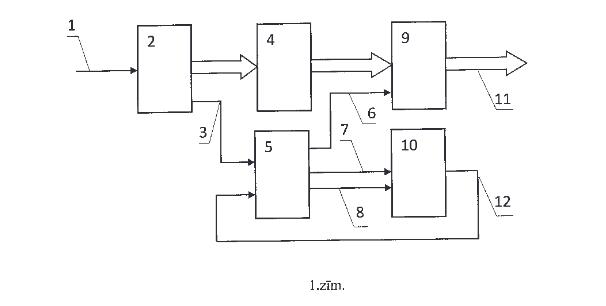
Skatīt patentu Espacenet datubāzē(atveras jaunā logā)LR patents Nr. 14881. “Metode un ierīce nolašu skaita samazināšanai līmeņšķērsojuma analogciparu pārveidotājā”. Izgudrotājs: U.Grunde. Īpašnieks: Elektronikas un datorzinātņu institūts. Publicēts 20.06.2014.
Izgudrojums attiecas uz mērīšanas tehniku un to var izmantot pēkšņu, galīga ilguma nestacionāru signālu pārveidošanai ciparu formā. Ierīcē ir realizēta pilnveidotā nevienmērīgas diskretizācijas metode, kurā izmanto signālu līmeņšķērsojuma nolases un kuras būtība ir izdalīt un izslēgt no pārveidojamā signāla nolasēm trokšņa izsauktās signāla fluktuāciju nolases un tādējādi samazināt kopējo nolašu skaitu. Šā mērķa sasniegšanai ierīcē ir izmantots tāds līmeņšķērsojuma analogciparu pārveidotāja nolašu īpašību kopums, kas ļauj noteikt trokšņa izraisītās signāla fluktuāciju nolases. Nolašu skaita samazināšana ir nodrošināta, atlasot secīgu nemainīgu līmeņšķērsojumu nolases pēc uzdotajiem kritērijiem un analizējot līmeņšķērsojuma nolašu izmaiņu dinamiku. Piedāvātās iekārtas blokshēma ir attēlota 1. zīm. Tā sastāv no: pārveidojamā signāla ieejas (1); līmeņšķērsojuma analogciparu pārveidotāja (2); līmeņšķērsojuma notikuma pazīmes izejas (3), FIFO atmiņas (4); analīzes un vadības bloka (5); pazīmju analīzes un vadības bloka signāla izejas (6) rezultāta reģistra vadībai; pazīmju analīzes un vadības bloka signālu izejām (7) un (8) šķērsojumu skaita skaitītāja vadībai; rezultāta reģistra (9); secīgo viena līmeņa šķērsojumu skaitītāja (10); rezultāta reģistra izejas (11) un secīgo viena līmeņa šķērsojumu skaitītāja izejas (12).