
3 March 2025
Opening of the LACISE project
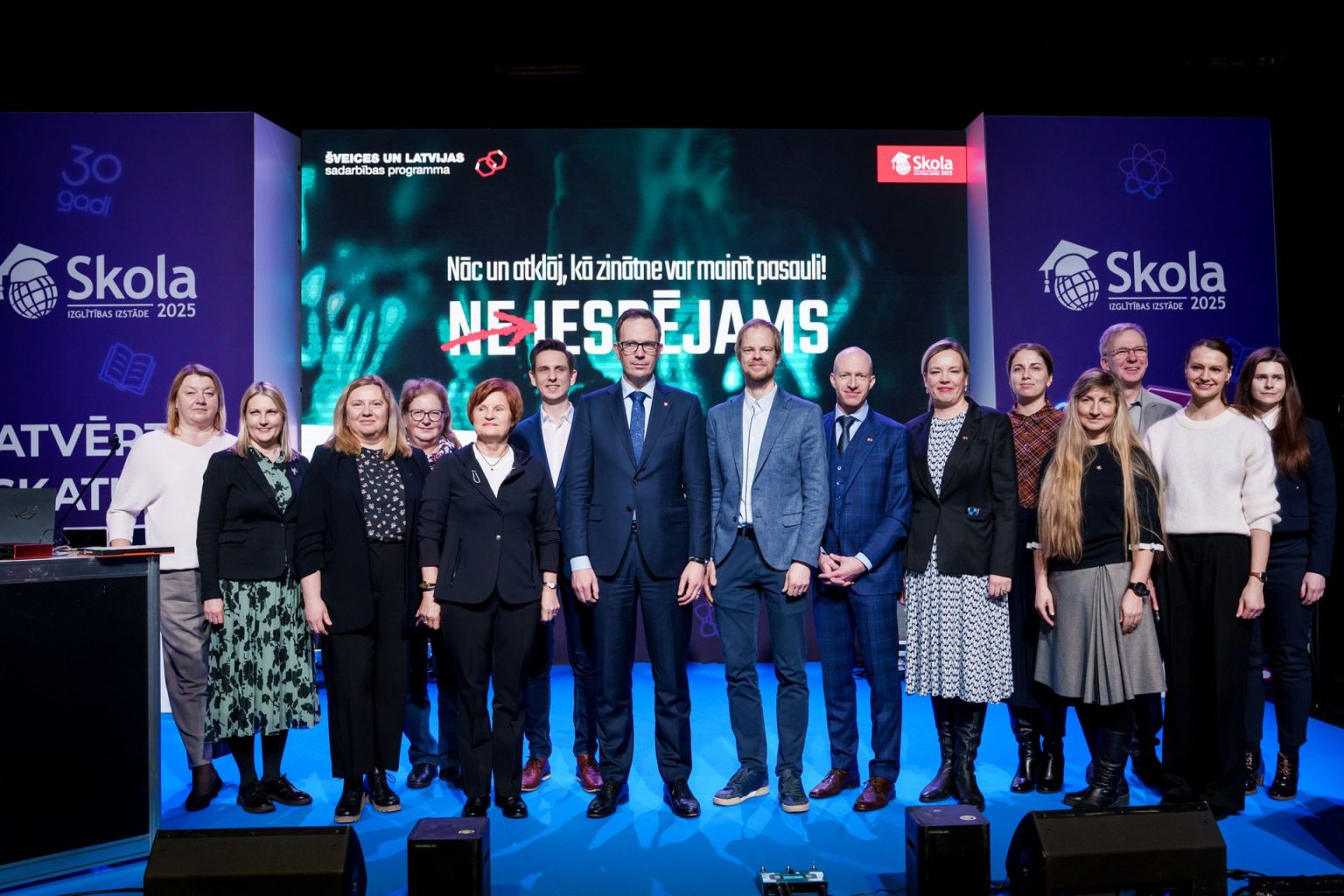
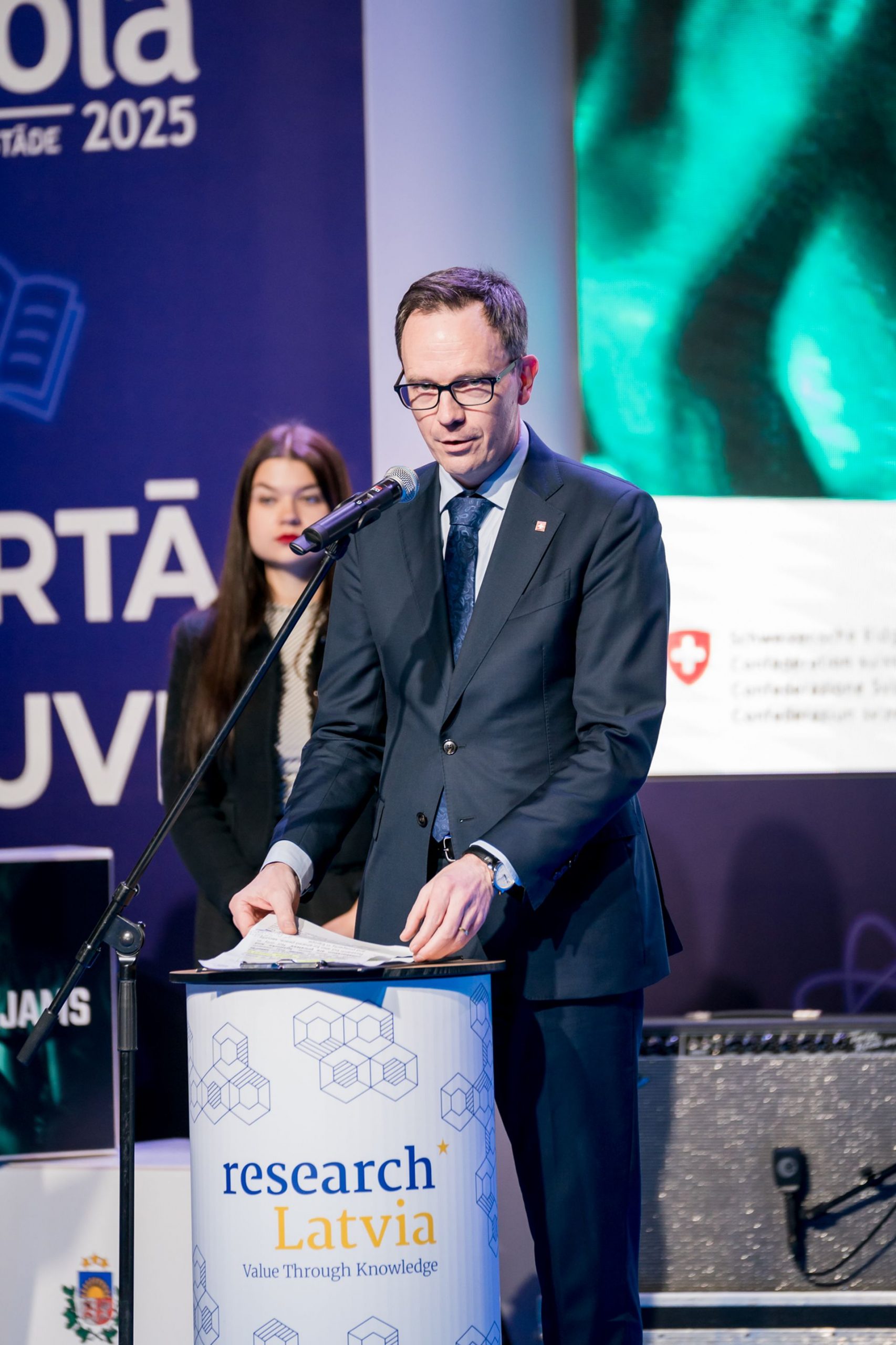
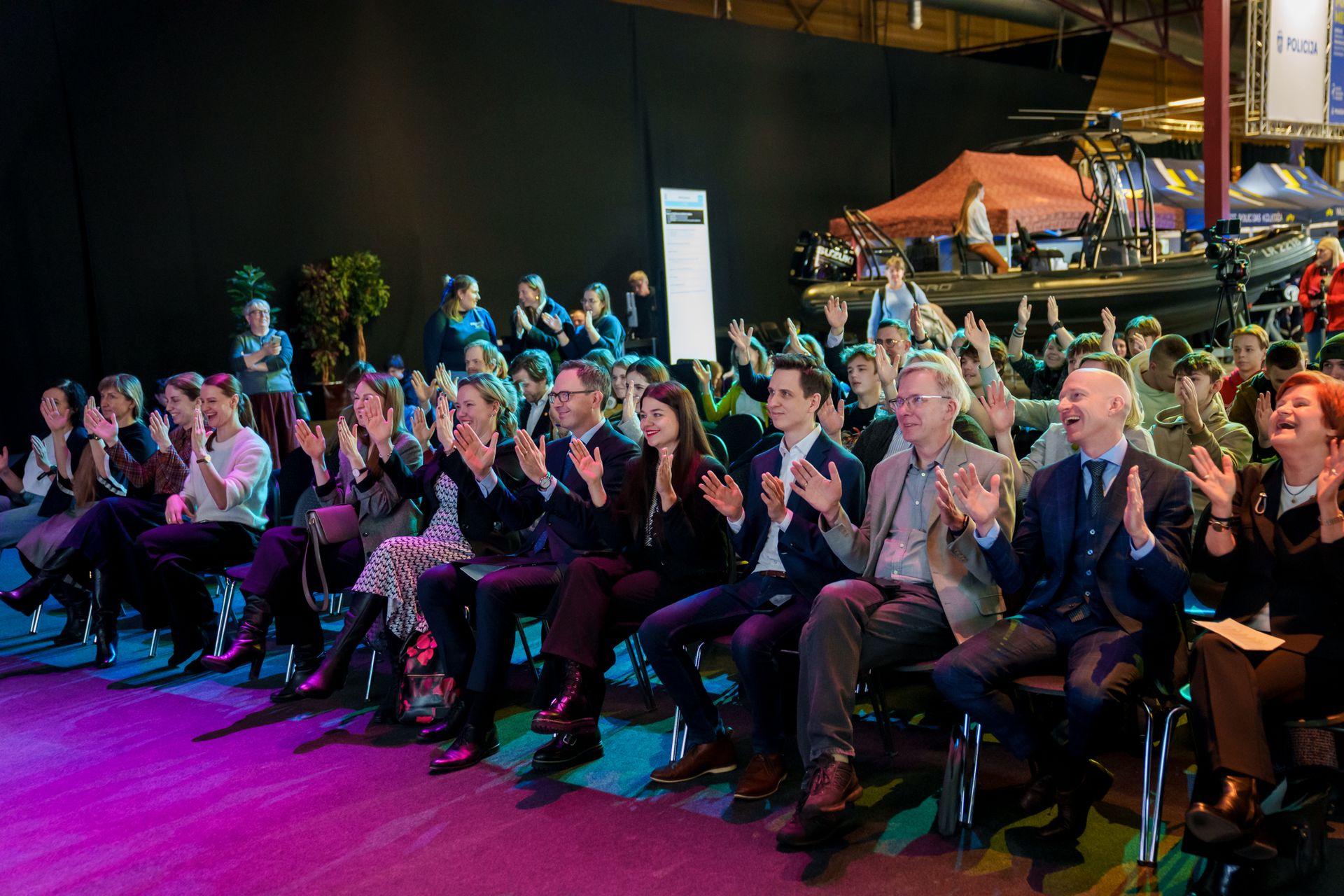
On February 21, the opening event named "The Impossible is Possible" of the Swiss-Latvian cooperation program "Applied Research" and the opening of one components of the cooperation project "Applied Research" Component 2 in the areas of ICT and smart energy - LACISE" took place at the international education exhibition "School 2025", in the implementation of which IECS also participates as a cooperation partner.
On 1st February, IECS has launched the LACISE project, where the main activities are energy storage and smart grid improvememnts. New battery materials will be developed, catalysts for hydrogen production will be improved, and energy efficiency solutions will be developed.
Project goals:
Strengthening of the scientific and technological capacity in Latvia and Switzerland
Development of new technologies and solutions
Transfer of knowledge and technology, exchange of researchers and students between the two countries
More information about the project is available at:
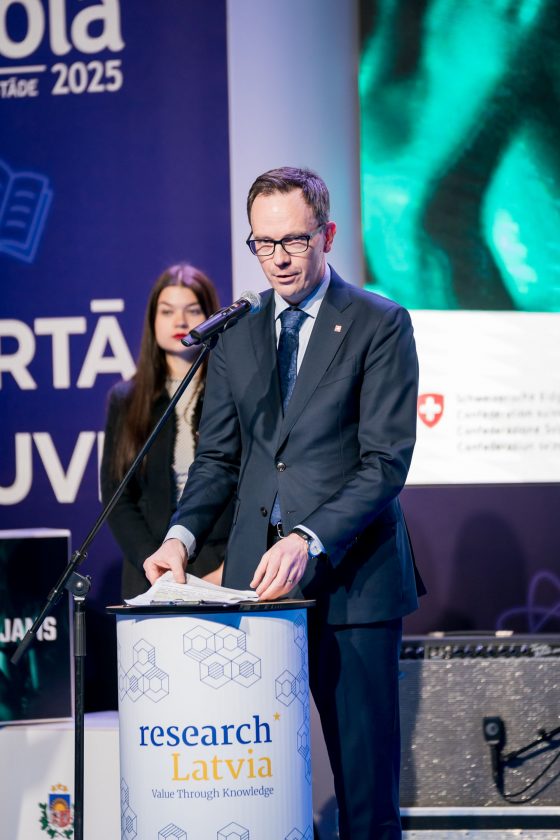
RĪGA, LATVIJA. 21.02.2025. Izstāde SKOLA 2025.
RĪGA, LATVIJA. 21.02.2025. Izstāde SKOLA 2025.
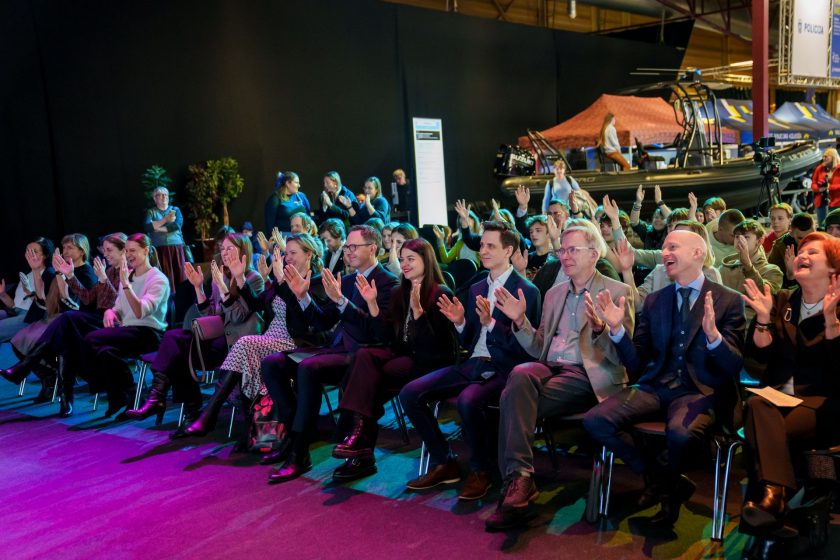
RĪGA, LATVIJA. 21.02.2025. Izstāde SKOLA 2025.
LACISE project is supported by the Swiss Contribution to reducing economic and social disparities in the EU. It is carried out within the Swiss-Latvian Cooperation Programme ‘Partnership in Applied Research,’ under Grant Agreement No. LZP/LV CH-RESEARCH/PC2, implemented by the Ministry of Education and Science and the Latvian Council of Science. The total funding of the programme is 12,352,941 EUR, of which Swiss co financing is 85% or 10,500,000 EUR and Latvian state budget co financing is 15% or 1,852,941 EUR.
The LACISE project in the areas of ICT and Smart Energy is implemented by the Institute of Solid State Physics, University of Latvia (Latvia) in cooperation with the Institute of Electronics and Computer Science (Latvia), Riga Technical University (Latvia), Paul Scherrer Institute (Switzerland), Zurich University of Applied Sciences (Switzerland), and Swiss Center for Electronics and Microtechnology (Switzerland).