Smart health
EDI has a long history in research and development of different technologies for health applications – starting with dedicated UWB radars for contact-less life signs monitoring; smart wearables; wireless brain–computer interface systems based on electroencephalogram (EEG) signals; a wireless computer control device based on electromyogram (EMG) signals; a wireless heart monitoring device based on electrocardiogram (ECG) signals; and ending with posture monitoring systems for knee rehabilitation, treatment of scoliosis and tele or home exercises; image processing for the detection of malignant melanoma; and artificial intelligence for medical image processing.
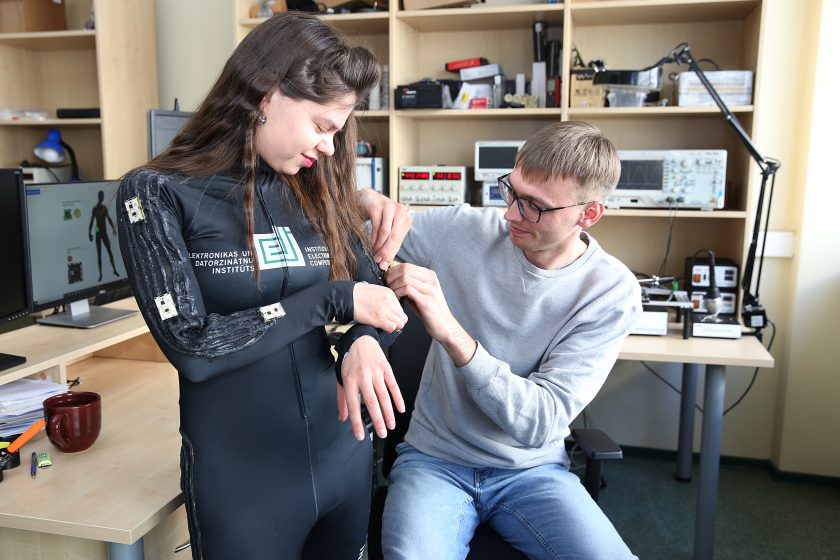
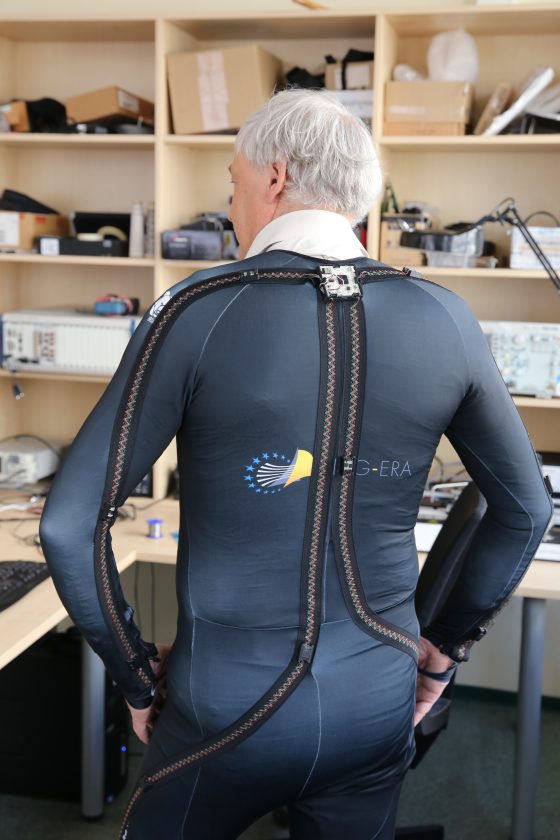
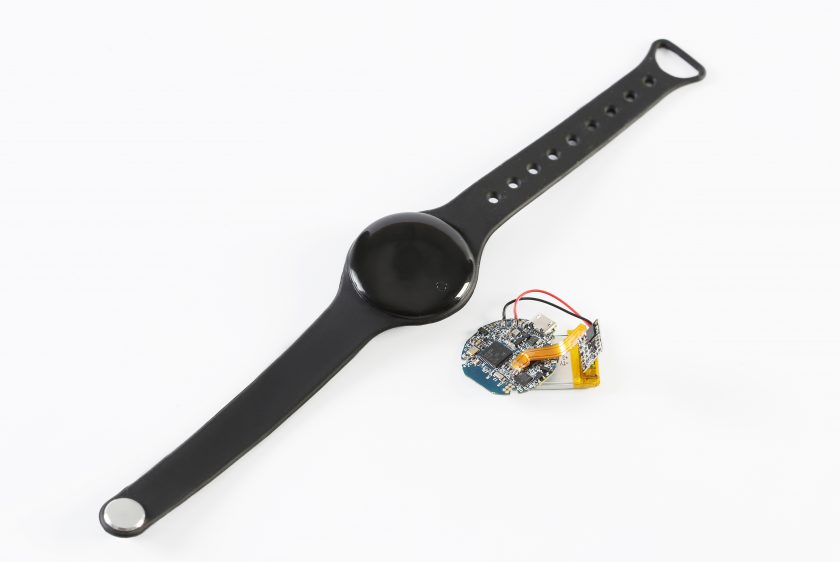
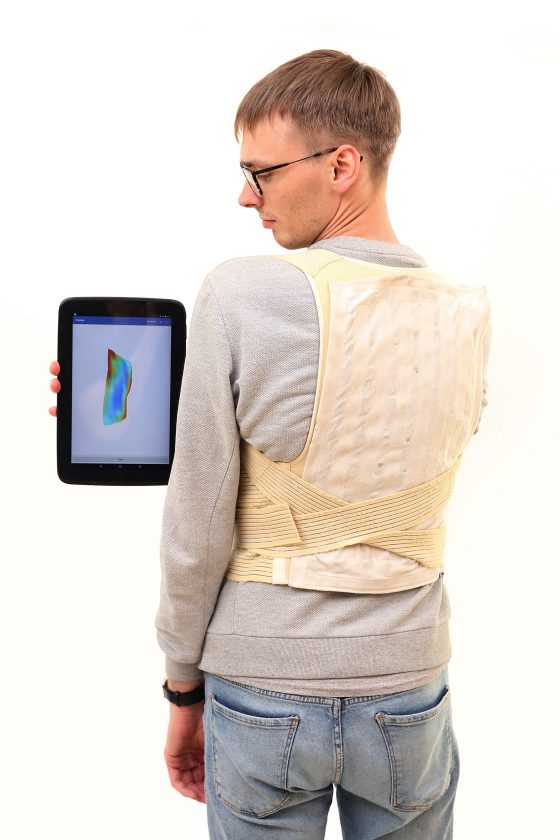
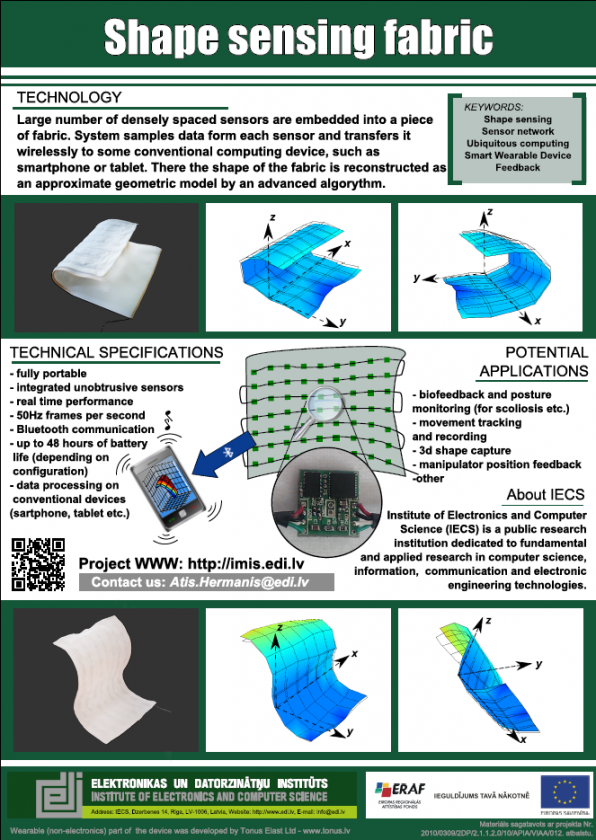
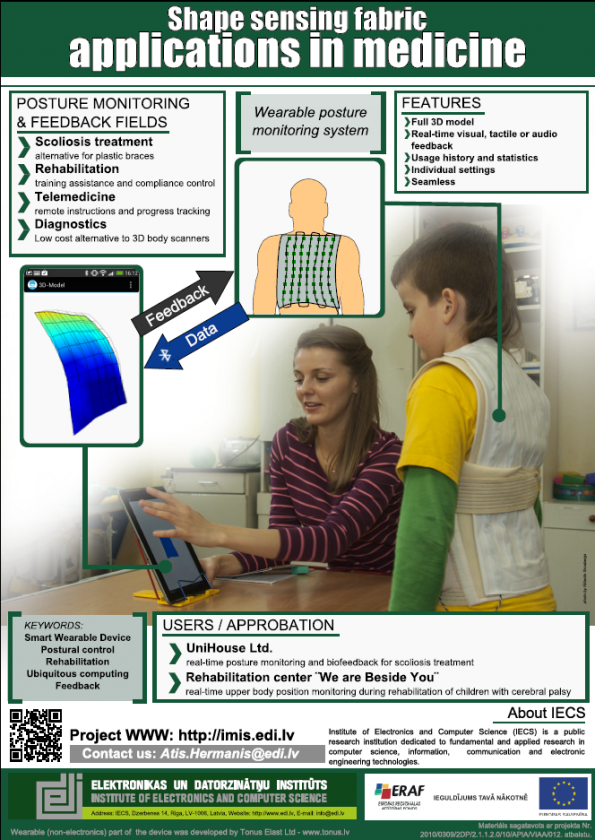
Battery-powered wearable devices equipped with motion sensors and other sensors (heart rate, ECG, EMG) serve as the key enabling technology for smart healthcare applications. Our research in wearable technologies includes ECG, EEG and EMG signal-based interfaces (e.g. a headband for alternative mouse-pointer control), shape-sensing fabric used for posture monitoring in rehabilitation or as a motion tracking device for telemedicine and training (projects EEA/Norway Grants HIPPAC, contract research TeleMed), a sensor-based knee rehabilitation device and prosthetics control. One of the main objectives of research in wearables is to increase the battery lifetime of the devices; to this end, EDI is developing machine-learning frameworks and energy-efficient network protocols (FEATURE project).
Research in remote sensing and UWB radar systems has applications in the remote monitoring of breathing (projects ESIF UPIRS, SRP SOPHIS GUDPils), while image processing has been used in the multispectral imaging-based classification of skin lesions (project ESIF InBiT).