Starting from February 1, 2025, IECS started the implementation of the LACISE project within the framework of the Swiss-Latvian Cooperation Programme “Partnership in Applied Research for Advanced Materials, Information and Communication Technology and Smart Energy” for the period 2019–2029.
Financing: 7 144 000 EUR, Swiss 85%, National co-financing 15%
Project partners : Institute of Electronics and Computer Science (IECS), Riga Technical University (RTU), Paul Scherrer Institute (PSI), Zurich University of Applied Sciences (ZHAW), Swiss Center for Electronics and Microtechnology (CSEM).
Project goals:
- Strengthening of the scientific and technological capacity in Latvia and Switzerland
- Development of new technologies and solutions
- Transfer of knowledge and technology, exchange of researchers and students between the two countries
Programme focus:
- Advanced materials – development of new materials with improved properties for the industrial, medical and electronics areas.
- Information and communication technologies (ICT) – promotion of digital transformation and new solutions for information exchange.
- Smart energy – development of energy efficiency and renewable energy integration solutions.
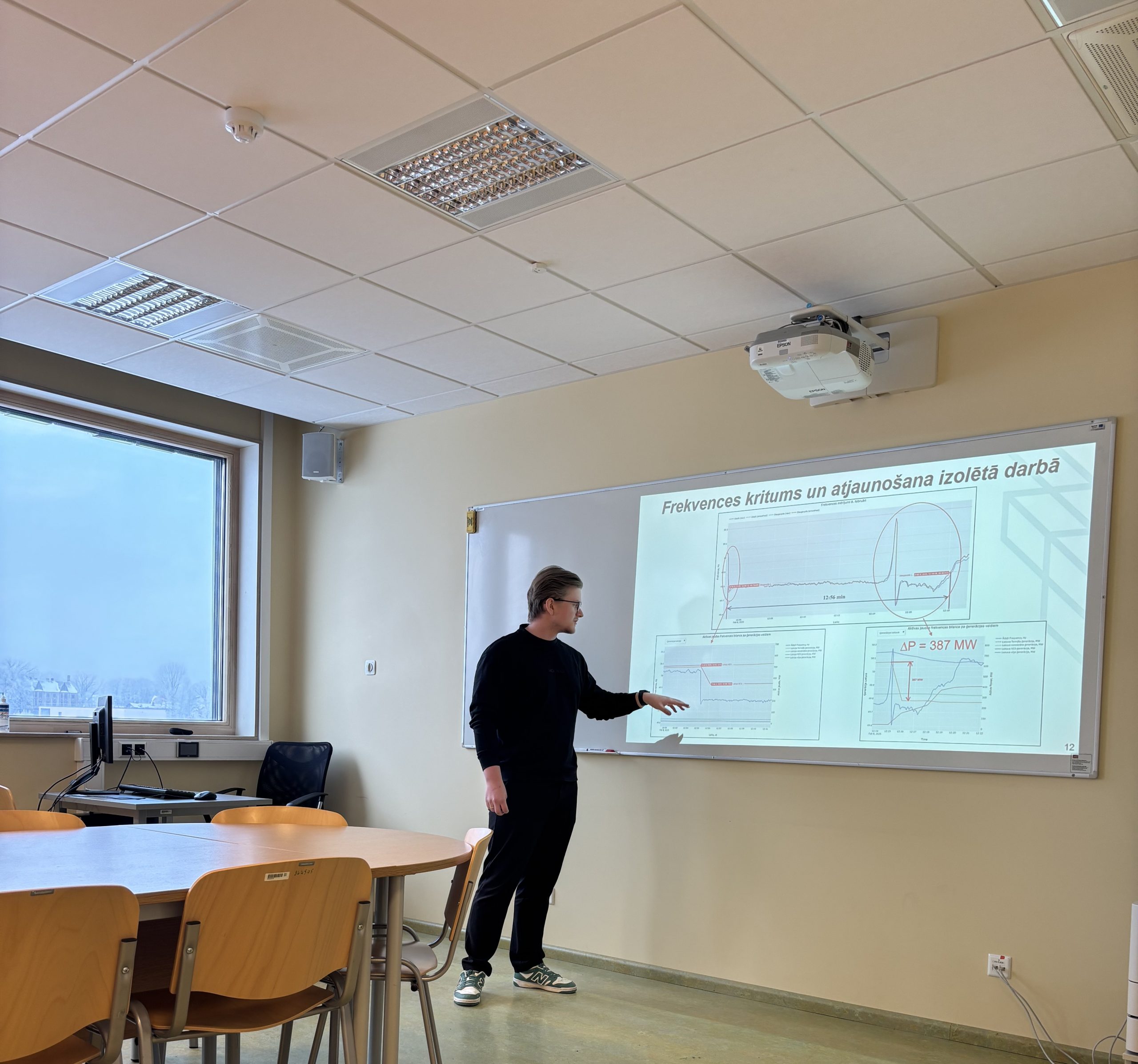
EDI researchers will be involved in work packages WP2 and WP3, developing a dynamic model of the Baltic electricity system and creating a dataset for stability assessment (WP2) to improve network security and operational management, as well as developing an AI tool for network stability prediction and early risk detection (WP3), which will facilitate faster and more accurate decision-making in the electricity system.
The implementation of the project will strengthen cooperation between Latvian and Swiss research institutions and companies, creating a foundation for sustainable development and innovation in strategically important areas.
More information about the project is available at: https://www.linkedin.com/company/lacise/posts/?feedView=all and https://swiss-contribution.lv/projekti/lacise/
27.01.2026.
Purchase of sky observation equipment within the framework of the LACISE project
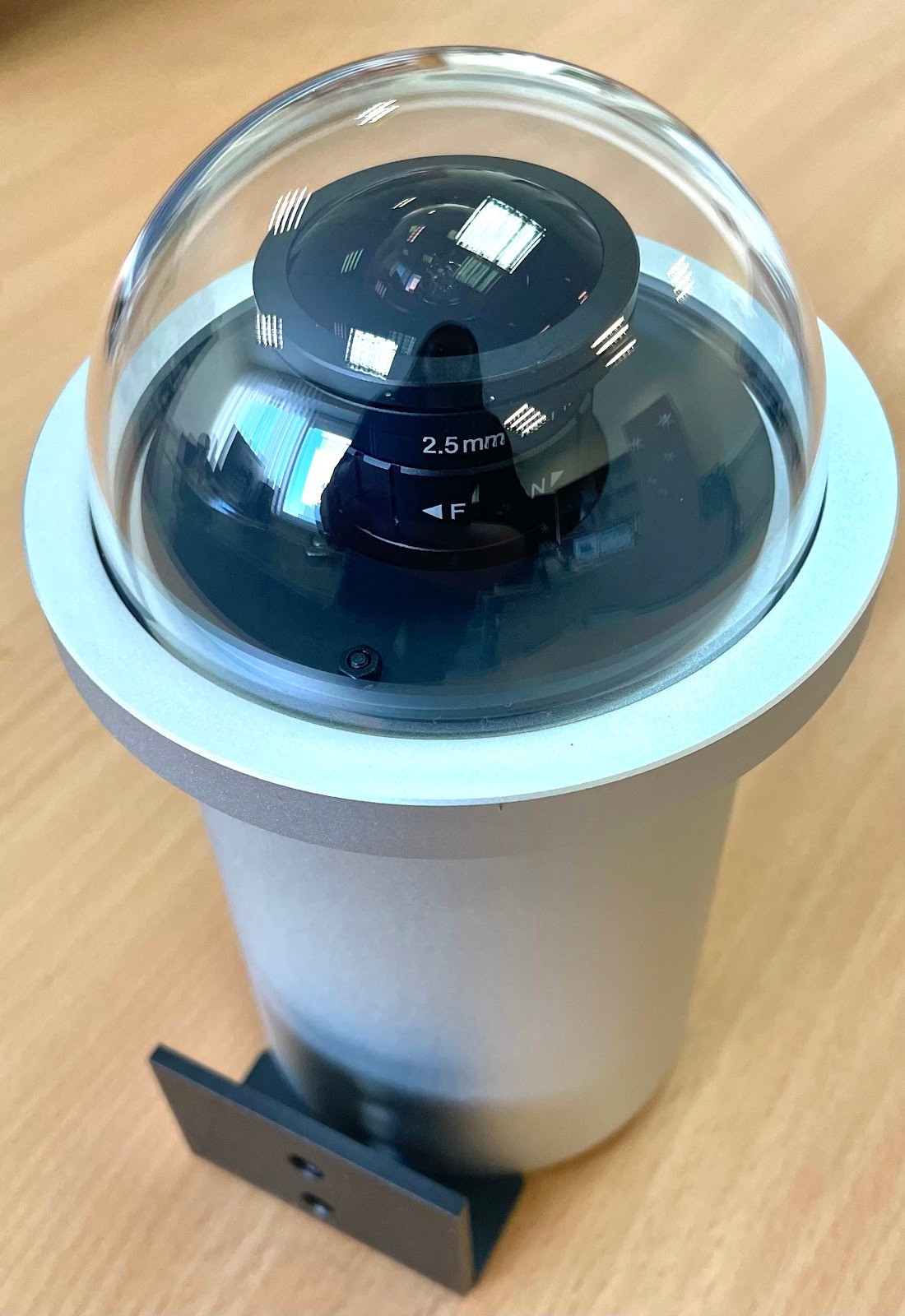
As part of the LACISE project, the Institute of Electronics and Computer Science has purchased a modern sky-looking camera that records cloud movement in real time. Cloud dynamics significantly affect the intensity of solar radiation, so observing them helps to better understand fluctuations in solar energy production.
In addition to the sky camera, a solar radiation sensor that measures solar radiation and air temperature, as well as a wind speed sensor, will also be used. The system is complemented by a solar panel that allows energy production to be assessed in real conditions.
All the data obtained will be compiled into a new data set that will serve as the basis for the development of machine learning-based analysis and forecasting models. In the future, this will help to more accurately predict changes in solar radiation and improve the stability and predictability of energy production.
With this initiative, EDI is strengthening its contribution to the development of sustainable energy and promoting the introduction and use of science-based technologies in the renewable energy sector.
Participating scientists




Related news