
AUGMENTED CCAM aims to understand, harmonise and evaluate in an augmented manner adapted and novel support solutions of Physical, Digital and Communication (PDI) infrastructure, to advance its readiness for large scale deployment of CCAM solutions for all.
The project will elaborate, extend and harmonise PDI classification and support levels mapping co-determined PDI priority requirements and adaptations. Based on this and by deploying an open sharing technology agnostic service operational framework and architecture for PDI enabled CCAM, addressing all CCAM actors via multi-cooperation models, the project will develop 11 PDI support solutions (aiming at TLR 6-7) that will apply and evaluate in different configurations in seven (7) test sites across three (3) European Countries (France, Latvia, Spain), encompassing a vast spectrum of physical (living labs, closed areas, open traffic highway, urban and peri-urban/rural environments) and virtual (DT, AV & driving simulators) test beds. AI and Big Data advanced techniques and crowdsourced HD maps will leverage the whole transport system and its users’ situational awareness, prediction and actuation.
The different test activities findings, supported by micro and macroscopic traffic simulations, will allow the assessment of different PDI support on functional safety of the whole transport infrastructure, on traffic safety and efficiency, driving behaviour, environmental footprint, service reliability, trust & security, considering the socioeconomic benefits and costs of all actors, and the issue of roadmap and recommendations, proposing risk-aversion decision making tools and methodologies for policy making and CCAM – ready infrastructure investments.
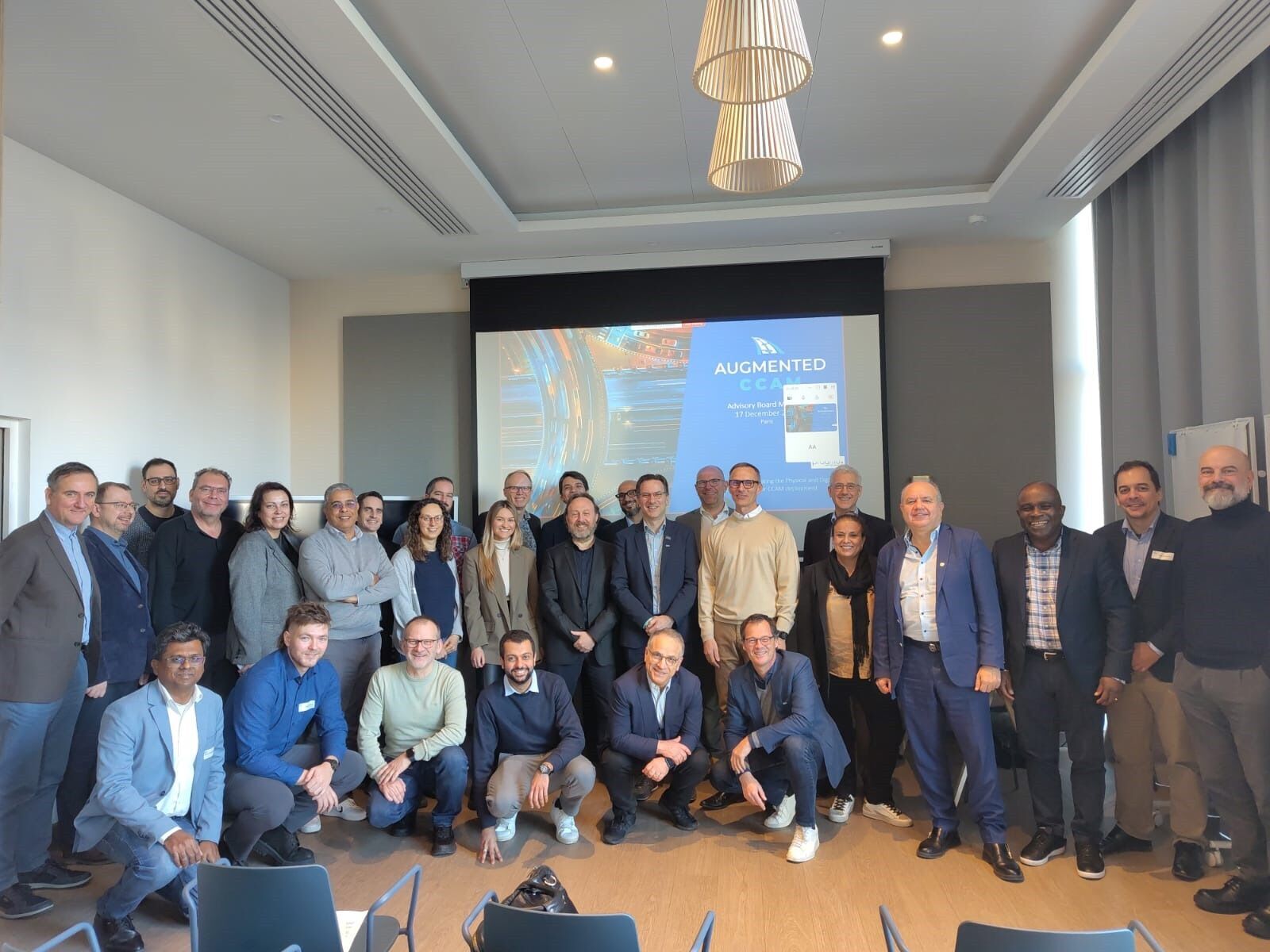
AUGMENTED CCAM, coordinated by FEHRL, consists of a multi-stakeholder Consortium of 26 Partners from 12 European countries and one Associated partner from Switzerland. Roughly 50% of them are firms (30% Industries, 50% of which road operators, and 18,5% of them SMEs).
EDI in this project is responsible for three of the PDI support solutions:
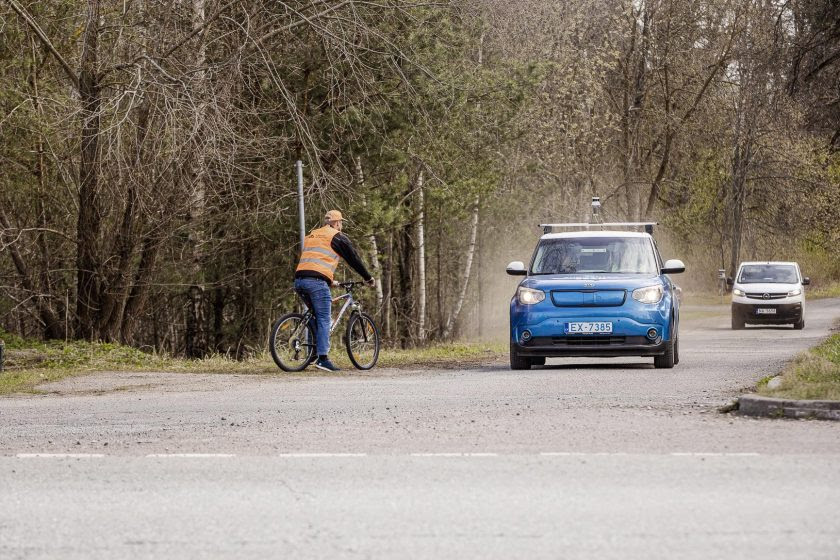
1. Protection of unequipped pedestrians, where the road infrastructure detects and warns vehicles about vulnerable road users who may not be seen by car sensors.
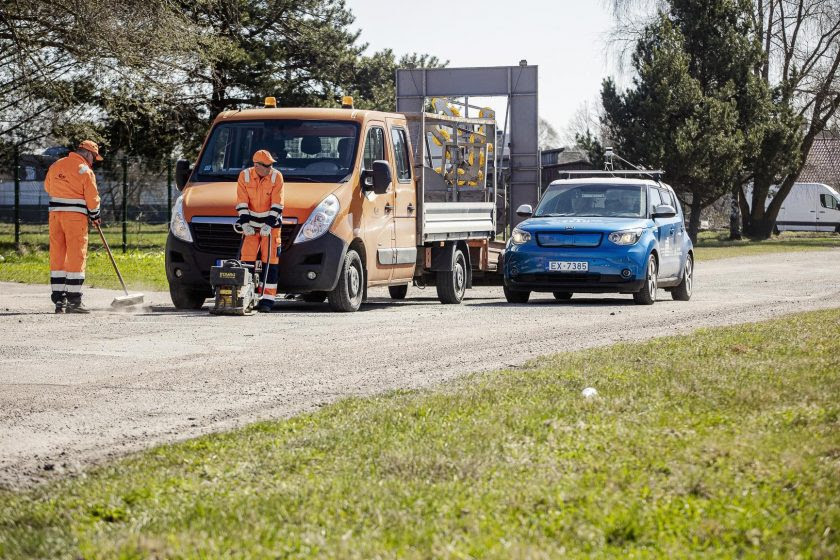
2. Temporary road works, where the road infrastructure notifies cars about temporary work on the road and related traffic organization changes.
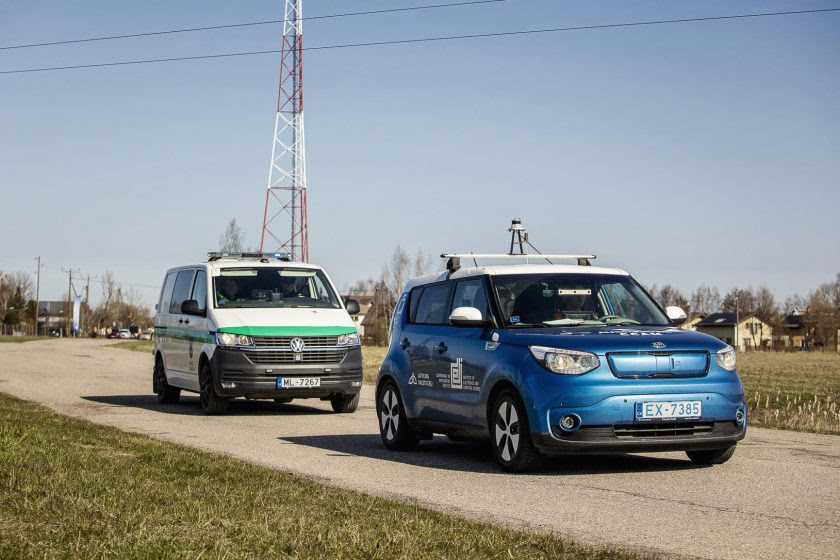
3. Emergency vehicle approaching, in which case the infrastructure notifies the cars on the planned path of the emergency vehicle. Information is used by automated cars to plan their actions and trajectories.
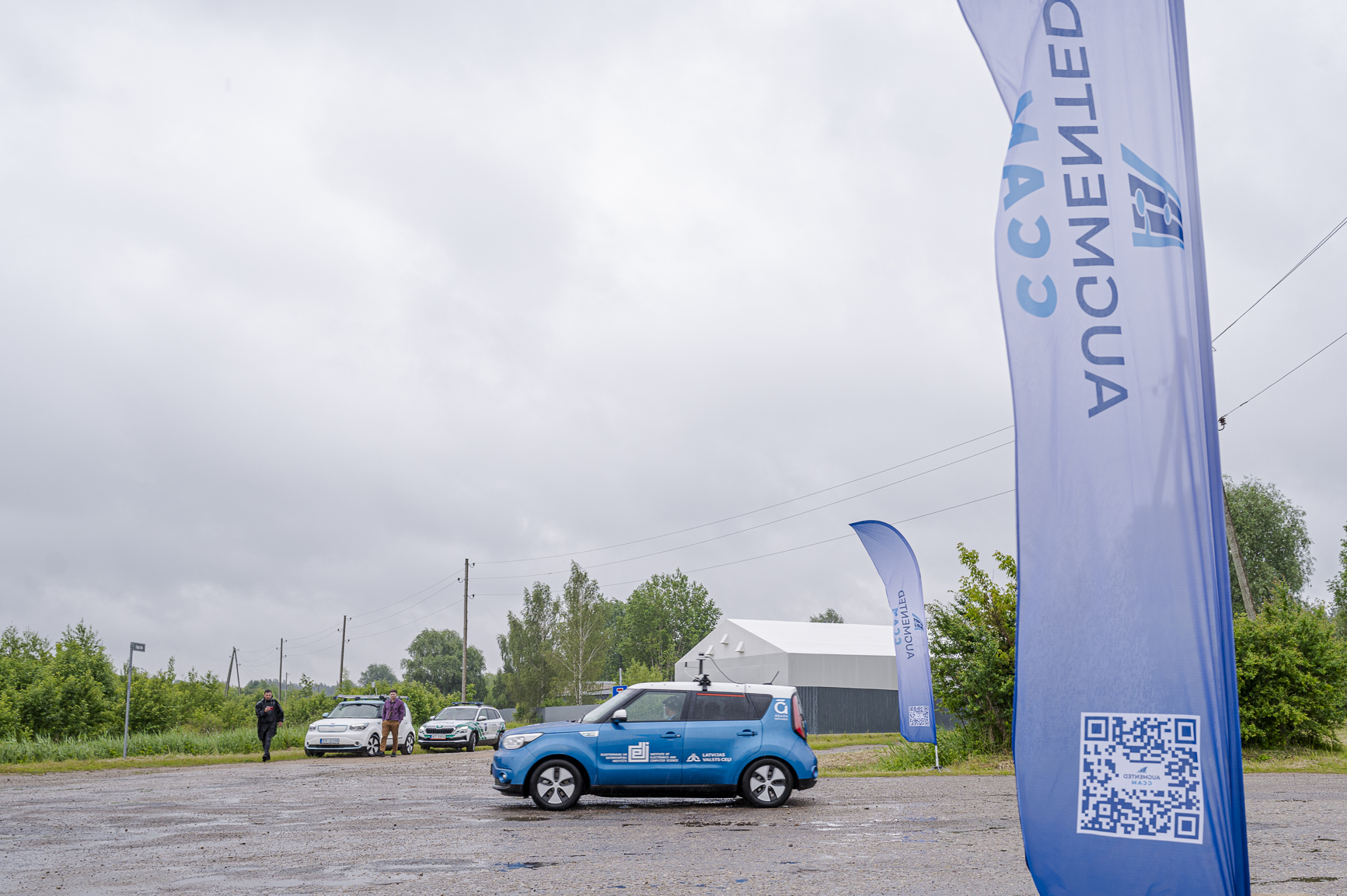
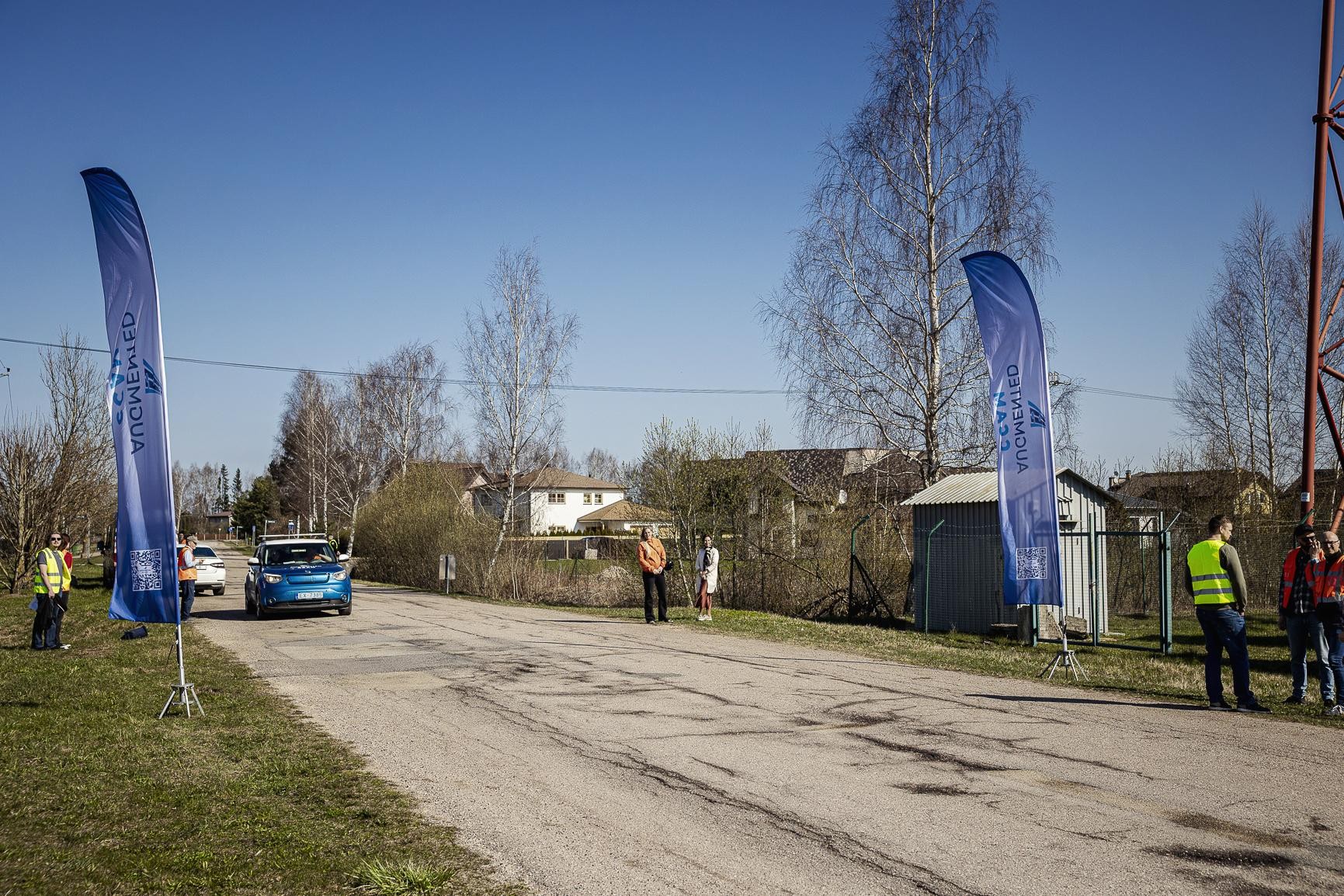
In addition to technical developments, the solutions developed in the project are also validated in realistic conditions with users. On November 7-13, 2024, EDI with partners LVC conducted pilot tests of the solutions at the Biķernieki race track, while on April 14-16, 2025, the solutions were tested on a real road in Ādaži, involving Ādaži municipal police officers and LVC road workers as users.
Participating scientists



Related news