Vērtības piedāvājums
Tehnoloģija ir ceļmalas uztveres un saziņas sistēma, kas palīdz automatizētiem transportlīdzekļiem laicīgi reaģēt uz gājējiem, velobraucējiem, skrejriteņu vadītājiem, cilvēkiem ar suņiem un citiem neaizsargātiem satiksmes dalībniekiem, kuri nav aprīkoti ar īpašām digitālām ierīcēm un var atrasties ārpus transportlīdzekļa sensoru redzamības.
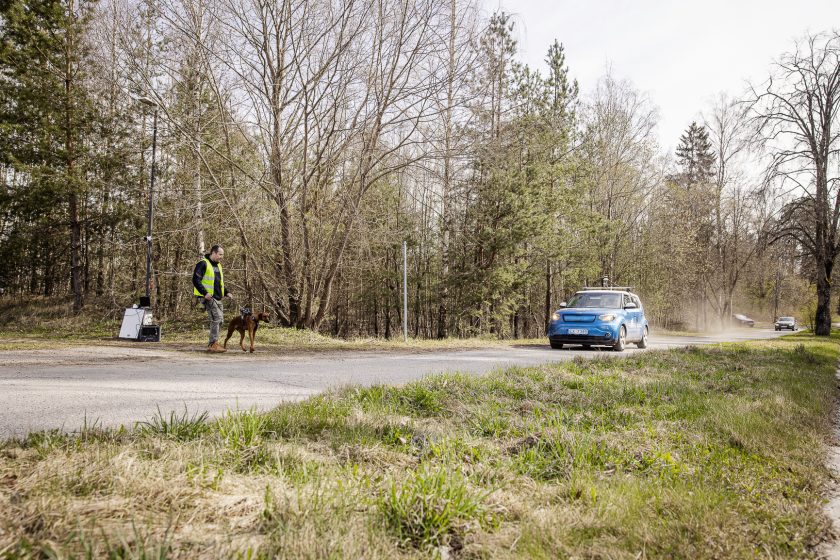
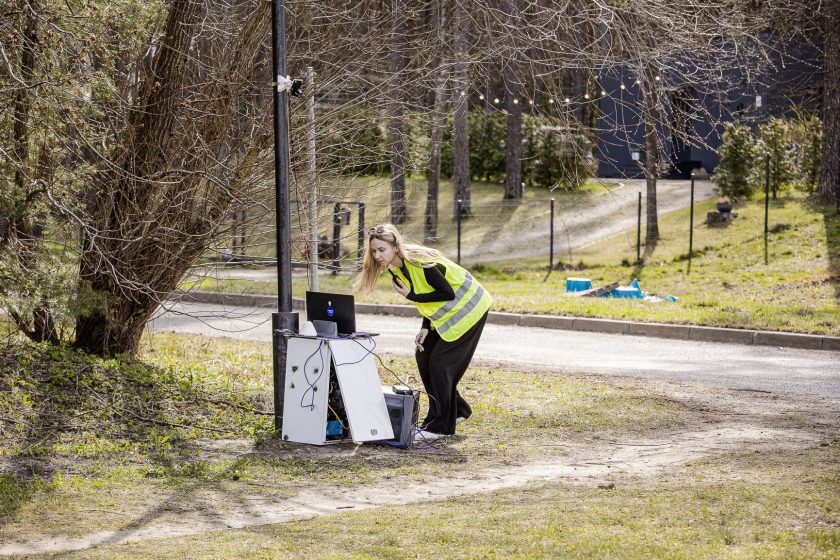
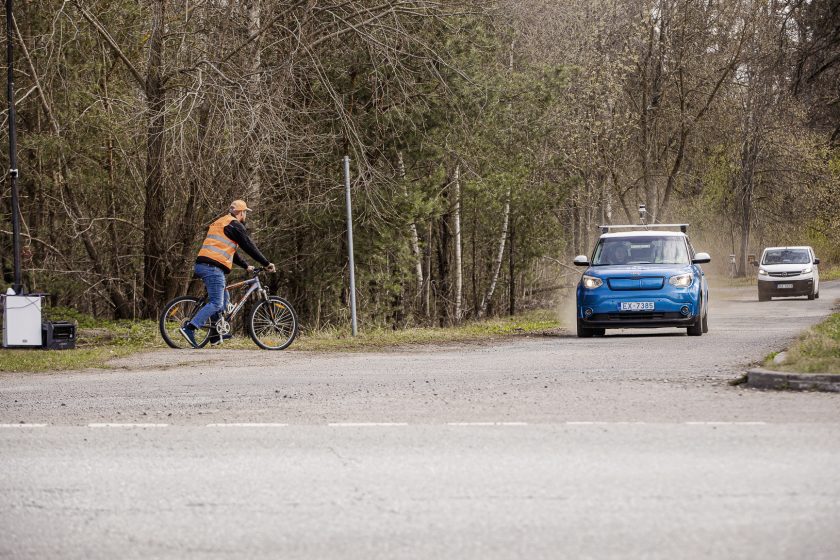
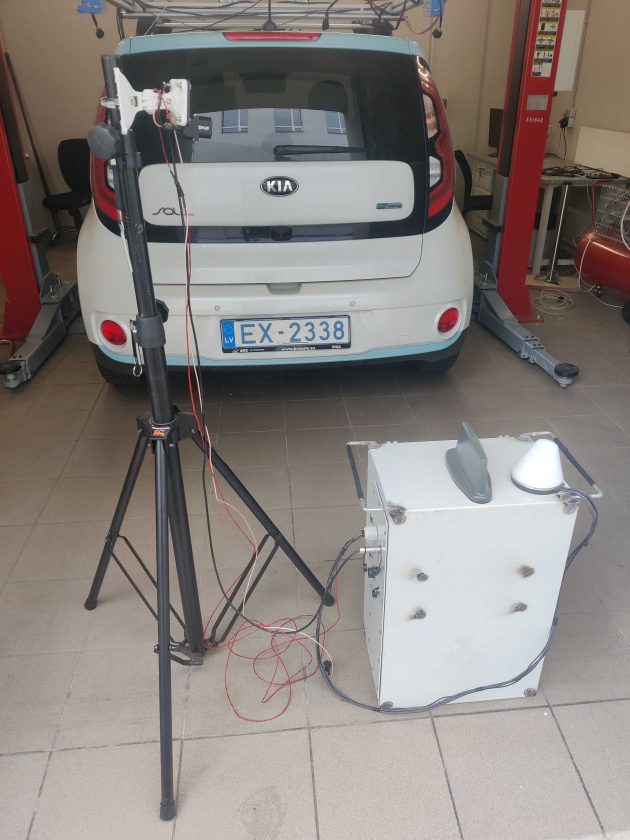
Ceļmalas ierīce ar termālo kameru pamana cilvēku vai velobraucēju neredzamajā zonā, nosaka aptuvenu atrašanās vietu un reāllaikā nosūta šo informāciju automatizētajam transportlīdzeklim. Transportlīdzeklis var samazināt ātrumu, apstāties vai pielāgot braukšanas trajektoriju vēl pirms cilvēks kļūst redzams tā paša kamerām vai lāzersensoriem.
Galvenais ieguvums ir agrāks brīdinājums bīstamās situācijās, kurās ar paša transportlīdzekļa uztveri nepietiek. Tas samazina sadursmju risku un paplašina situāciju loku, kurās automatizēti transportlīdzekļi var darboties droši.
Biznesa un inovācijas perspektīva
Izaicinājums
Automatizēti transportlīdzekļi lielā mērā paļaujas uz savām kamerām, lāzerskeneriem un radariem. Šie sensori darbojas labi, ja objekts ir redzams, bet tie nespēj redzēt cauri novietotām automašīnām, ēkām, žogiem, ceļa darbu aprīkojumam vai veģetācijai. Tādēļ rodas drošības plaisa: gājējs, velobraucējs vai skrejriteņa vadītājs var iznākt uz ceļa no aizsegtas vietas, atstājot transportlīdzeklim pārāk maz laika reakcijai.
Šī ir būtiska problēma savienotās un automatizētās mobilitātes ieviešanai pilsētās, piepilsētās un uz lauku ceļiem. Risks ir īpaši augsts pie gājēju pārejām, stāvošām automašīnām, slikti pārredzamiem krustojumiem, ceļa darbu zonām, autostāvvietām un izbrauktuvēm no rūpnīcām, saimniecībām vai dzīvojamām teritorijām.
Esošās alternatīvas
Pašlaik līdzīgas drošības problēmas parasti mēģina risināt ar:
- labākiem sensoriem pašā transportlīdzeklī;
- brīdinājuma zīmēm vai satiksmes nomierināšanas pasākumiem;
- drošības vadītāju transportlīdzeklī;
- parastām satiksmes kamerām, kas nav tieši integrētas transportlīdzekļa lēmumu pieņemšanas sistēmā.
Šīm pieejām ir ierobežojumi. Transportlīdzekļa sensori joprojām neredz cilvēkus aiz šķēršļiem. Ceļa zīmes nedod reāllaika informāciju. Cilvēka uzraudzība ierobežo mērogojamību. Parastās satiksmes kameras parasti nav tieši savienotas ar automatizētās braukšanas sistēmām.
EDI risinājums un unikalitāte
EDI risinājums pievieno inteliģentu uztveri ceļmalas infrastruktūrai. Tā vietā, lai paļautos tikai uz transportlīdzekļa spēju visu pamanīt pašam, ceļmalas ierīce uzrauga drošībai kritiskās neredzamās zonas un nosūta transportlīdzeklim tikai būtiskus brīdinājumus.
Risinājuma atšķirīgās priekšrocības:
- termālā kamera spēj pamanīt cilvēkus vāja apgaismojuma un lietus apstākļos;
- datu apstrāde notiek lokāli ceļmalas ierīcē, tāpēc video kadriem nav jāatstāj ierīce, saglabājot cilvēku privātumu;
- sistēma ir paredzēta cilvēkiem, kuriem nav līdzi nekādas īpašas digitālas ierīces, kas komunicētu ar automašīnām vai infrastruktūru;
- transportlīdzeklis saņem brīdinājumu pirms tā paša sensori spēj pamanīt cilvēku;
- saziņa starp ceļmalas iekārtu un automašīnu var notikt caur 5G mobilo tīklu, vai caur tiešu sakaru kanālu;
- risinājums ir pārbaudīts reālistiskās demonstrācijās, tostarp uz atvērta ceļa Ādažos.
Tehnoloģijas gatavības līmenis
Pašreizējais tehnoloģijas gatavības līmenis: TRL 7.
Pilns risinājums ir demonstrēts atbilstošā darbības vidē, tostarp slēgtā Biķernieku trasē, uz atvērta lauku ceļa ar zemu satiksmes intensitāti. Plašākai ieviešanai vēl nepieciešami papildu testi blīvā satiksmē, sarežģītos laikapstākļos un ilgtermiņa ceļmalas ekspluatācijā.
Intelektuālā īpašuma statuss
EDI zinātība ceļmalas uztverē, lokālā mākslīgā intelekta apstrādē, kustības trajektorijas analīzē un integrācijā ar automatizēta transportlīdzekļa uzvedības moduļiem.
Projekti
Tehnoloģija izstrādāta un demonstrēta Horizon Europe projektā AUGMENTED CCAM: Augmenting and Evaluating the Physical and Digital Infrastructure for Connected, Cooperative and Automated Mobility deployment.
Projekta mājaslapa:
EDI projekta lapa:
Tehniskā specifikācija
Darbības princips
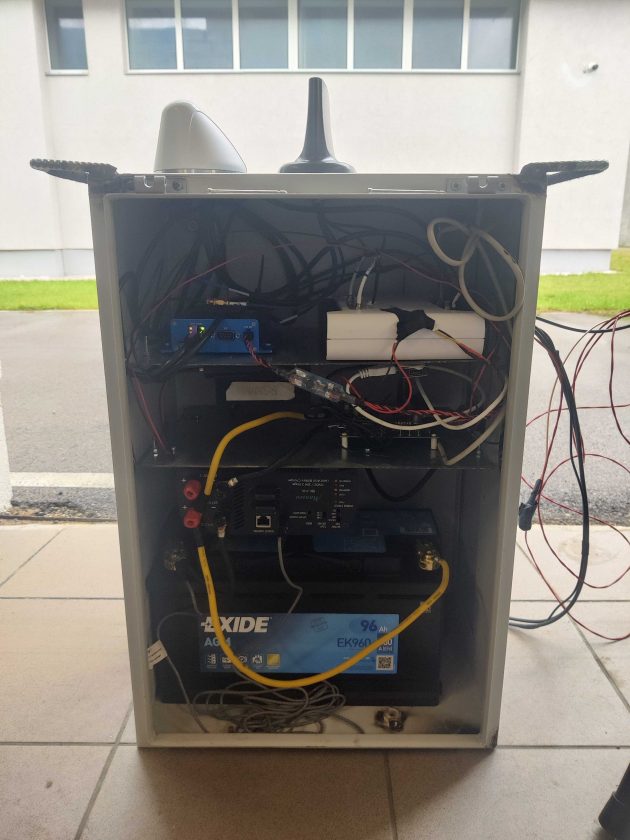
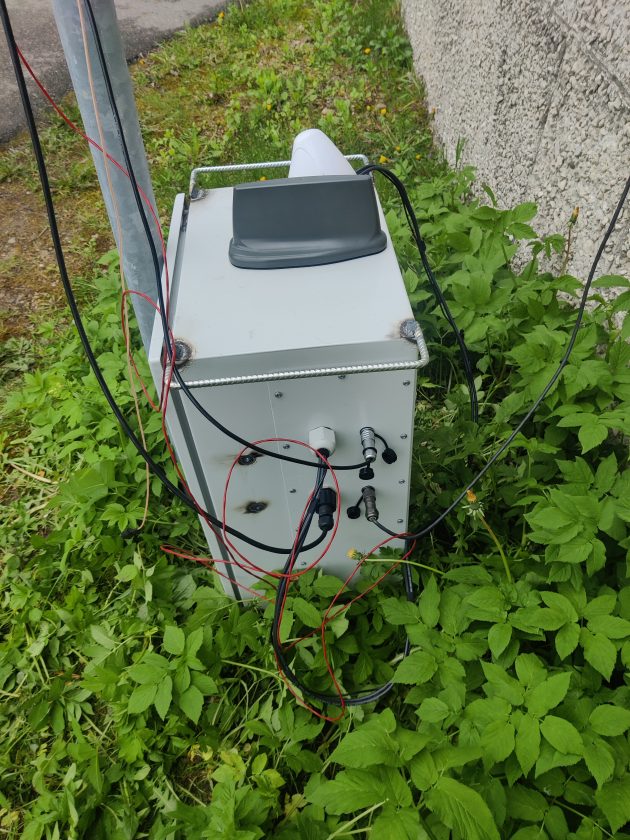
Sistēmu veido ceļmalas ierīce un programmatūras moduļi automatizētajā transportlīdzeklī. Ceļmalas ierīcē ir termālā kamera, video apstrādes platforma, pozicionēšanas modulis un sakaru moduļi gan 5G mobilā tīkla, gan tiešās komunikācijas atbalstam. Tā novēro ceļa zonu, kas transportlīdzeklim var būt aizsegta, pamana neaizsargātus satiksmes dalībniekus, nosaka to atrašanās vietu un kustību, un nosūta brīdinājuma ziņojumu transportlīdzeklim.
Transportlīdzeklis saņem ziņojumu caur mobilo tīklu vai tiešo īsās distances saziņu. Braukšanas programmatūra analizē saņemto informāciju un, ja situācija novērtēta kā bīstama, var samazināt ātrumu, apstāties vai mainīt joslu.
Testēšanas rezultāti
Tehnoloģija pārbaudīta komponentu testos, integrētos testos un demonstrācijās. Testos piedalījās gājēji, velobraucēji un cilvēki ar suņiem. Sistēma demonstrēta saulainā, mākoņainā un lietainā laikā. Ādažu demonstrācijās ceļmalas ierīce pamanīja satiksmes dalībniekus ārpus transportlīdzekļa tiešās sensoru redzamības, un transportlīdzeklis reaģēja, samazinot ātrumu vai apstājoties.
Svarīgākie tehniskie parametri
| Parametrs | Vērtība / apraksts |
| Ceļmalas uztvere | Termālā kamera gājēju, velobraucēju un lielāku dzīvnieku pamanīšanai |
| Lokālā apstrāde | Mākslīgā intelekta modelis uz NVIDIA Jetson platformas |
| Pozicionēšana | Ceļmalas ierīces pašlokalizācija ar GNSS; pamanītajiem satiksmes dalībniekiem tiek piešķirtas pasaules koordinātas |
| Sakari | Mobilais tīkls un tieša īsās distances saziņa no infrastruktūras uz transportlīdzekli |
| Integrācija transportlīdzeklī | Autoware bāzēts uzvedības modulis ātruma samazināšanai, apstāšanās vai joslas maiņas lēmumiem |
| Testētie satiksmes dalībnieku tipi | Gājēji, velobraucēji, cilvēki ar suņiem; papildus jāpārbauda bērni, skrejriteņu vadītāji un motociklisti |
| Detekcijas veiktspēja | 88% pareiza klasifikācija uz testa video |
| Atrašanās vietas precizitāte | Vidējā ģeokoordinātu kļūda 0,73 m |
| Saziņas uzticamība testos | 100% ziņojumu saņemšana abos testētajos sakaru kanālos |
| Integrētā reakcija | Transportlīdzeklis samazināja ātrumu 100% integrēto testu; 90% attiecīgo gadījumu bremzēšana sākās 1 sekundes laikā no detekcijas |
| Pašreizējā prototipa ierobežojumi | Jāuzlabo ilgtermiņa noturība skarbos āra apstākļos un energoefektivitāte |
Sadarbības veids
EDI redz vairākus iespējamos tehnoloģijas pārneses ceļus:
Licencēšana
Partnerim var piešķirt tiesības izmantot izvēlētu EDI zinātību, programmatūras komponentes vai sistēmas projektējuma elementus ceļmalas drošības produktos.
Līgumpētījumi un sadarbība
Kopīga izstrāde ar ceļu pārvaldītājiem, pašvaldībām, mobilitātes tehnoloģiju uzņēmumiem vai automatizētu transportlīdzekļu izstrādātājiem, lai pielāgotu sistēmu konkrētai ceļa videi, sakaru kanālam, transportlīdzekļa platformai vai drošības prasībām.
Pilotieviešana
Sistēmas uzstādīšana un novērtēšana paaugstināta riska ceļa posmos, piemēram, pie gājēju pārejām, slikti pārredzamiem krustojumiem, ceļa darbu zonām, autostāvvietām vai izbrauktuvēm no rūpnīcām, saimniecībām un dzīvojamām teritorijām.
Atsavināšana vai plašāka komercializācija
Atsevišķa intelektuālā īpašuma nodošana vai plašāka komercializācija var tikt izvērtēta pēc intelektuālā īpašuma statusa un partneru vajadzību precizēšanas.